


The best time to take probiotics?


Many people wonder when to take probiotics — morning or evening, before food or after. Probiotics are live bacteria that naturally support and maintain your gut health and knowing how to take them can make it easier to include them in your routine.

Daily, weekly, or occasionally? Getting probiotic timing right
With BioGaia®’s L. reuteri, the good news is that it doesn’t matter exactly when you take it. L. reuteri is one of the few probiotic species that originally comes from humans — meaning it’s right at home in your gut. It’s one of the rare probiotic strains proven to survive stomach acid and make its way through the entire digestive system.
While it doesn’t stay in your system forever, it can temporarily live throughout your digestive tract — enough time to help support balance. So, what is most important is taking it consistently every day, so it becomes a simple part of your routine.
Should you take probiotics on an empty stomach or with meals?
A common question is when is best to take probiotics — on an empty stomach or with meals? With BioGaia®’s L. reuteri, you don’t need to worry about timing in relation to food. Our science shows you can take it whenever suits you best, whether that’s with breakfast, lunch, dinner, or in between meals.
The key is to take it regularly, so it becomes part of your daily habit, making it easier to remember and stick to over time.

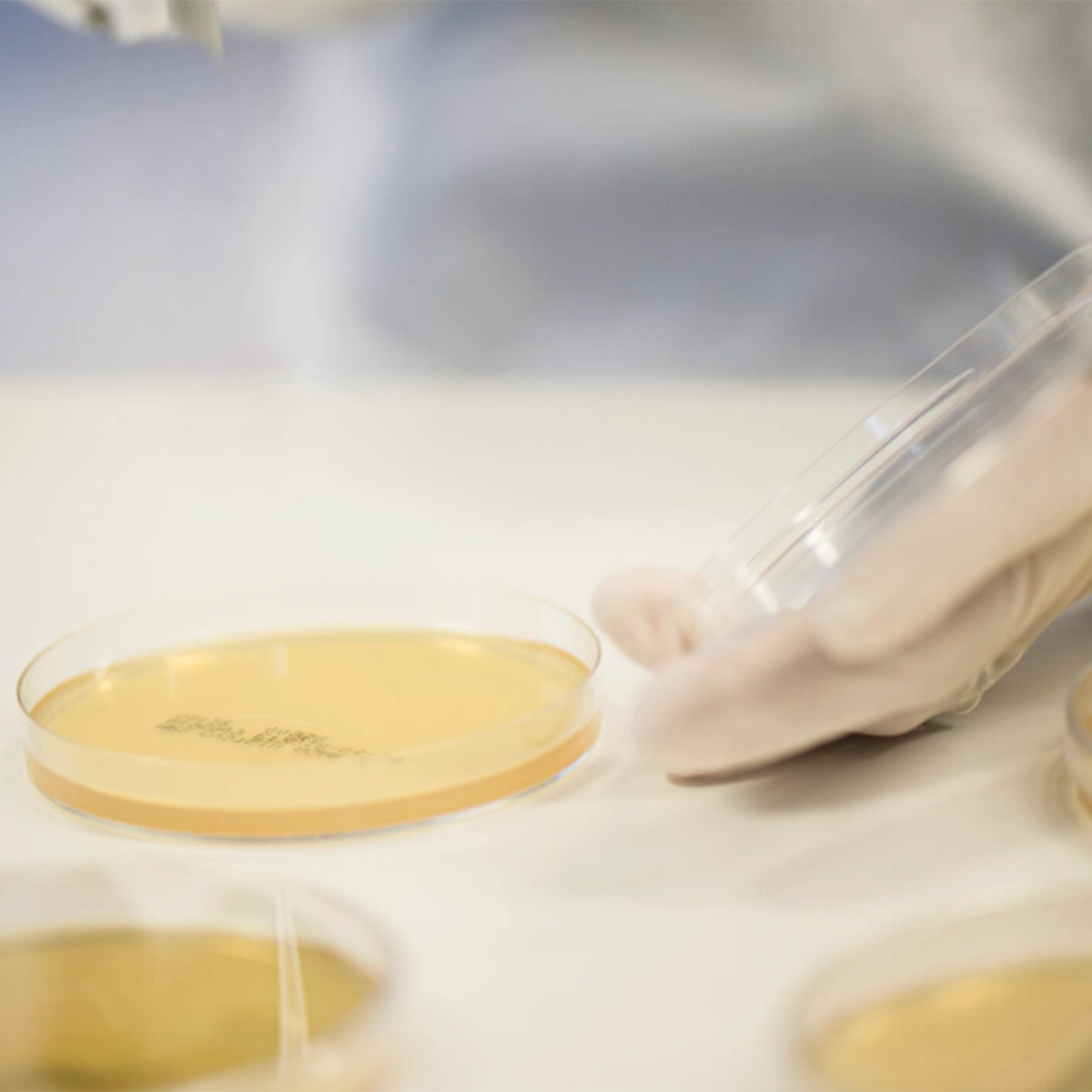
BioGaia is a Swedish healthcare company that has been at the forefront of microbiome and probiotic research for more than 30 years.

Probiotics are live bacteria and yeasts often referred to as "friendly" bacteria. This is your essential guide to our gut heroes.
BioGaia’s probiotic supplements with L. reuteri are among the most extensively researched in the world.