


Top 20 “Probiotic” Foods


What are probiotic foods?
When people ask, “What are probiotic foods?” there’s one important thing to know — technically, foods themselves aren’t probiotics. The term probiotic only applies to specific, well-studied strains of bacteria according to the World Health Organisation (WHO).
That said, many microbe-rich fermented foods — like yogurt, kefir, sauerkraut, and kimchi — contain live, friendly bacteria and are potentially great for your gut when taken in adequate amounts.
While they don’t officially qualify as probiotics, they do contain live good bacterial cultures and nutrients that support a healthy digestive system. The key is to incorporate small amounts of a variety of the below, adding fermented foods to your diet gradually.
As commerically available ‘probiotic’ foods may not be as microbe-rich as labelled, fermenting foods at home can be a great and fun option.
What are Probiotic foods with Dietitian Lucy Upton
Probiotic foods vs probiotic supplements – let’s nut it out
Fermented foods such as natural yoghurt, sauerkraut, kefir, kombucha, and kimchi contain a variety of live microorganisms. However, the exact types and amounts of these microbes can vary widely depending on how the food was made, the fermentation process, and even storage conditions. This variability makes the microbial content of fermented foods less predictable compared with probiotic supplements.
In contrast, probiotic supplements are formulated to contain precise strains and amounts of bacteria, as clearly stated on the packaging. Some are supported by scientific research, meaning you know exactly which friendly, good bacteria you’re consuming and in what quantity.
Both can play a role in maintaining a healthy gut, and many people enjoy using them together.
Top 20 “Probiotic Foods” – Our top 10
These tasty, fermented favourites are often what people mean when they talk about “probiotic” foods. Here are 10 of the most popular ones.
1. Kefir
A tangy fermented milk drink rich in diverse microbes. Here’s an easy Kefir recipe to try.


2. Sauerkraut
Fermented cabbage, high in fibre and vitamins. Make Sauerkraut with this recipe.
3. Kimchi
A spicy Korean staple made with fermented vegetables. Grab an easy Kimchi recipe here.


4. Sourdough bread
Made with natural lactic acid bacteria and yeasts. It’s best to make your own as commercially available breads may not have been fermented long enough. Here’s how to make a Sourdough starter from scratch.
5. Tepache
A traditional Mexican beverage, served for centuries in Latin America. Make a batch of this pinapple tepache recipe today.

6. Yoghurt
A classic source of live cultures, widely enjoyed.
7. Miso
A Japanese soybean paste used in soups and sauces. Make sure it is unpasterurised.
8. Tempeh
Protein-rich fermented soybeans. The fermentation process gives it a firm, rich nutty texture. Look for it in the chilled section of your store.
9. Raw Kombucha
A fizzy, tangy fermented tea drink.
10. Traditional Buttermilk
The liquid by-product of butter churning. (True traditional buttermilk is often unpasteurized or minimally processed. Check for “raw” or “unpasteurized” on the label).
Top 20 “Probiotic Foods” – Here’s another 10 (that you never of heard of!)
- Rejuvelac – A fermented sprouted grain drink.
- Natto – Japanese fermented soybeans with a unique flavour.
- Raw Cheese – Cheeses made from unpasteurised milk, usually available from specialist cheesemongers.
- Apple Cider Vinegar (with the “mother”) – Contains acetic acid bacteria. Check out your local health food shop.
- Pickles (lacto-fermented) – Cucumbers fermented in saltwater. Look for raw, unpasteruised brands, usually available in health food stores. Also making your own is quick and easy.
- Traditional Soy Sauce – Brewed with microbial activity. Note, Traditional soy sauce is brewed for months, creating beneficial compounds. Always check the label and do a bit of research to ensure natural fermationation.
- Fermented Olives – Naturally brined varieties host beneficial bacteria. Traditional ‘probiotic’ olives are fermented in salt brine, not vinegar. Check the ingredient list: it should say water, salt, olives (maybe herbs), not vinegar. You’ll find raw fermented olives often in the child section, as they are not shelf-stable.
- Lassi – A yoghurt-based Indian drink (Hint! Check “live” on label)
- Idli and dosa batter – An Indian fermented batter traditionally made from rice and urad da made from naturally fermented rice and lentils.
- Sour cream – Always check the label for phrases like “contains live cultures” or “active bacterial cultures” because many commercial sour creams are heat-treated, which removes all the goodness.
What to look for — Tips on spotting live “probiotic” foods
- Choose products labeled “raw”, “live”, “naturally fermented”, or “live cultured”.
- Check the chilled / refrigerated section: many truly live ferments (like sauerkraut or kimchi) are kept in the fridge, because pasteurised ones are shelf-stable.
- For fermented milk products (like kefir), look for “live cultures” or “strains” on the label.
- Avoid overly processed or “cooked” versions of fermented foods — heating usually kills the good microbes.
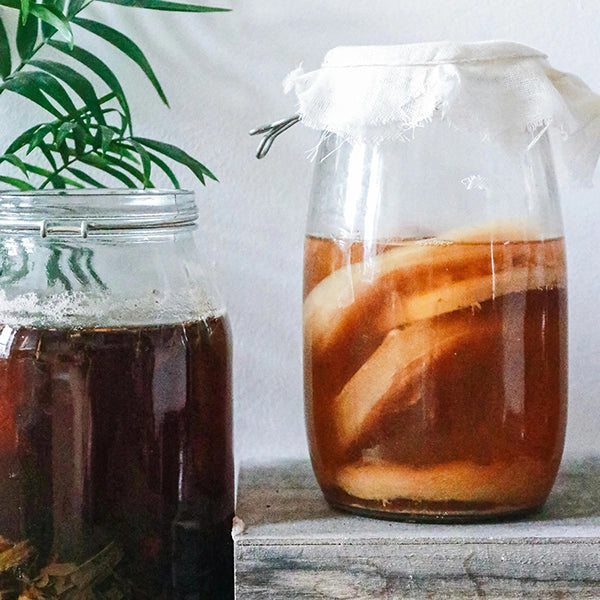
Both fermented foods and probiotic supplements offer unique ways to support gut health.

Probiotics are live bacteria and yeasts often referred to as "friendly" bacteria.

BioGaia’s probiotic supplements with L. reuteri are among the most extensively researched in the world.